- +1 (845) 367-4240
- info@colonialpropertymanagement.com
- 410A New York 59, Airmont, NY 10952, USA

The difference between profitable property investment and a non-performing asset often comes down to one metric most New York investors never calculate.
Maintenance Burn Rate is the key metric that isolates your property’s true financial volatility. It is calculated as the average annual cost of unexpected, unscheduled repairs per rental unit.
Unlike the total maintenance figure on a standard Profit & Loss Statement, the Burn Rate is specifically designed to exclude capital expenditures, routine maintenance, and cosmetic updates. By filtering out these planned expenses, it reveals the pattern of unpredictable costs that directly threaten your cash flow stability.
For small multifamily properties (2-4 units) in Rockland County, a sustainable Maintenance Burn Rate typically falls between $450 and $900 per unit, per year. A consistent rate outside this range is a clear signal of a property prone to volatile expenses, and a potential drain on your passive income.
Traditional accounting only provides a historical report of what you’ve already spent, offering little help in predicting the nature or timing of future expenses. This backward-looking approach leaves investors vulnerable to cash flow interruptions from unexpected repairs.
The Maintenance Burn Rate changes this approach. Instead of just documenting the past, it helps you predict future repair costs and understand the real financial health of your property. Knowing this metric allows you to move from simply reacting to problems to proactively planning for them. Ultimately, this guide will show you how Burn Rate can be utilized to turn maintenance from an unpredictable worry into a planned part of your investment strategy.
To manage the Burn Rate, you must first measure it. This practical guide shows you exactly how to calculate this critical metric for your own portfolio.
Begin by gathering 24-36 months of maintenance records for your property, then categorize each expense by filtering out planned expenses:
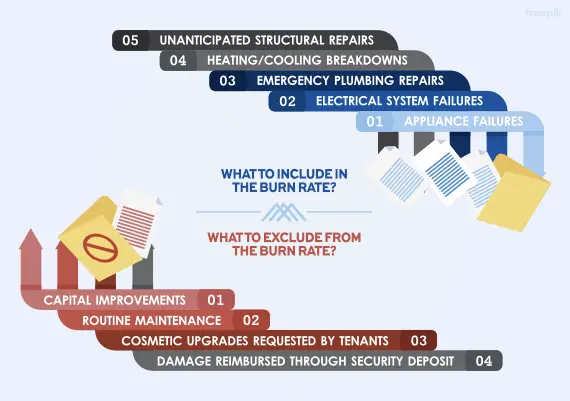
Use the formula below to calculate maintenance burn rate.
(Sum of Unscheduled Repair Costs Over Period ÷ Number of Months in Period) × 12 ÷ Number of Units
Example
($8,400 ÷ 36 months) = $233.33 monthly × 12 = $2,800 annually ÷ 4 units = $700/unit annual Burn Rate
This $700 rate falls within the sustainable range ($450-$900), indicating predictable maintenance patterns.
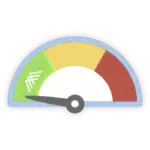
This is the target zone for stable, passive income. A Burn Rate in this range typically indicates a well-managed asset where systems are maintained, not just repaired. Key characteristics include:
This is the target zone for stable, passive income. A Burn Rate in this range typically indicates a well-managed asset where systems are maintained, not just repaired. Key characteristics include:
Maintain your current management strategy and consistently document all maintenance, which enhances property value and appeal to future buyers.
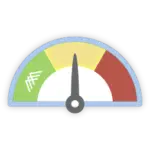
A low Burn Rate can be a false positive and a major red flag. It often signals deferred maintenance (the practice of postponing necessary repairs or replacements to save short-term cash).
What appears to be “low cost” is often accumulating liability. A neglected $500 small water leak repair can evolve into a $15,000 replacement project due to structural damage.
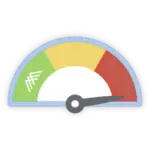
A high Maintenance Burn Rate indicates active financial trouble, with costs directly hurting your cash flow. The root cause usually falls into one of two categories: either the property has recurring systemic failures, or repairs are handled poorly at inflated costs.
Achieving an optimal Maintenance Burn Rate requires three strategic disciplines. First, establish systematic reviews to track performance. Second, build proactive systems to prevent emergencies. Third, control costs through financial and vendor strategy. Here’s how to apply each:
With this metric, you can use new foundational data to guide all your decisions.
Establish Baselines & Track Quarterly: Calculate the Burn Rate for all properties and flag unsustainable properties. Then, create a simple dashboard to track it every quarter.
Investigate Flagged Properties: Immediately investigate any property where the Burn Rate increases by more than 15% or exceeds $900/unit/year. Don’t wait for an annual review.
Apply to Acquisitions: Before purchasing a new property, request 3 years of maintenance records. Calculate its historical Burn Rate to assess risk (low rates may hide deferred maintenance, while high rates signal chronic issues).
Use the insights from your portfolio reviews to prevent problems before they start.
Implement Preventive Maintenance: For properties flagged with high or rising Burn Rates, prioritize preventive maintenance on major systems first.
Educate Tenants: Reduce repair frequency by educating tenants on proper appliance use and clear reporting procedures for minor issues.
Control your income by managing the biggest variables that directly impact your repair costs.
Review Your Vendor System: Audit your vendors for fair pricing and quality workmanship. Poor repairs are a major cause of repeat issues and inflated Burn Rates.
Allocate Budget Strategically: Use your Burn Rate analysis to direct your budget and capital reserves toward the properties and systems that need it most.
This strategic approach turns unpredictable maintenance costs into a planned expense. This secures your rental income, increases your asset value, and boosts your property’s performance.
For property investors in Airmont, NY, managing the Maintenance Burn Rate requires a systematic approach. Before it threatens predictable cash flow, Colonial Property Management LLC transforms this uncertainty into a proactive management strategy, delivered in professional oversight and clear monthly reports that put you in control.
Our transparent and systematic property management services include:
1. Monthly Reports & Property Inspections: We provide the early-warning data to prevent small issues from inflating your Burn Rate..
2. Maintenance Coordination: We coordinate and monitor all repairs after securing your approval on costs first.
3. Vendor Vetting: We handle due diligence, ensuring repair quality and fair pricing by professionals.